
The warranty that becomes a data service. The changing service bay. The car whose most valuable features are rented.
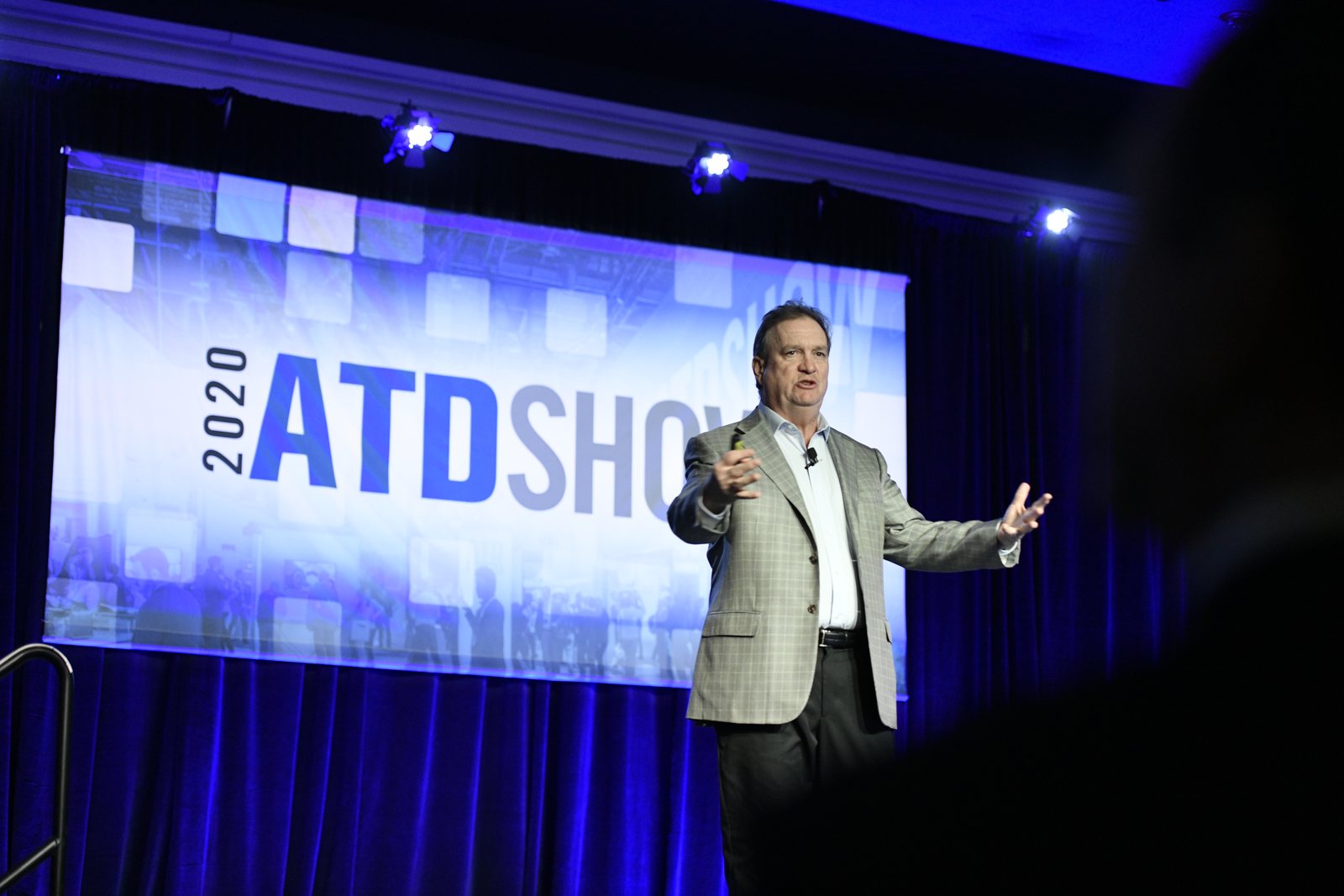
I've been speaking about the future of automotive and trucking for decades, from Stuttgart to Detroit to Birmingham, England. It's been a remarkable vantage point from which to watch a largely mechanical industry become increasingly dependent on software, connectivity, advanced materials and a completely different set of customer expectations.
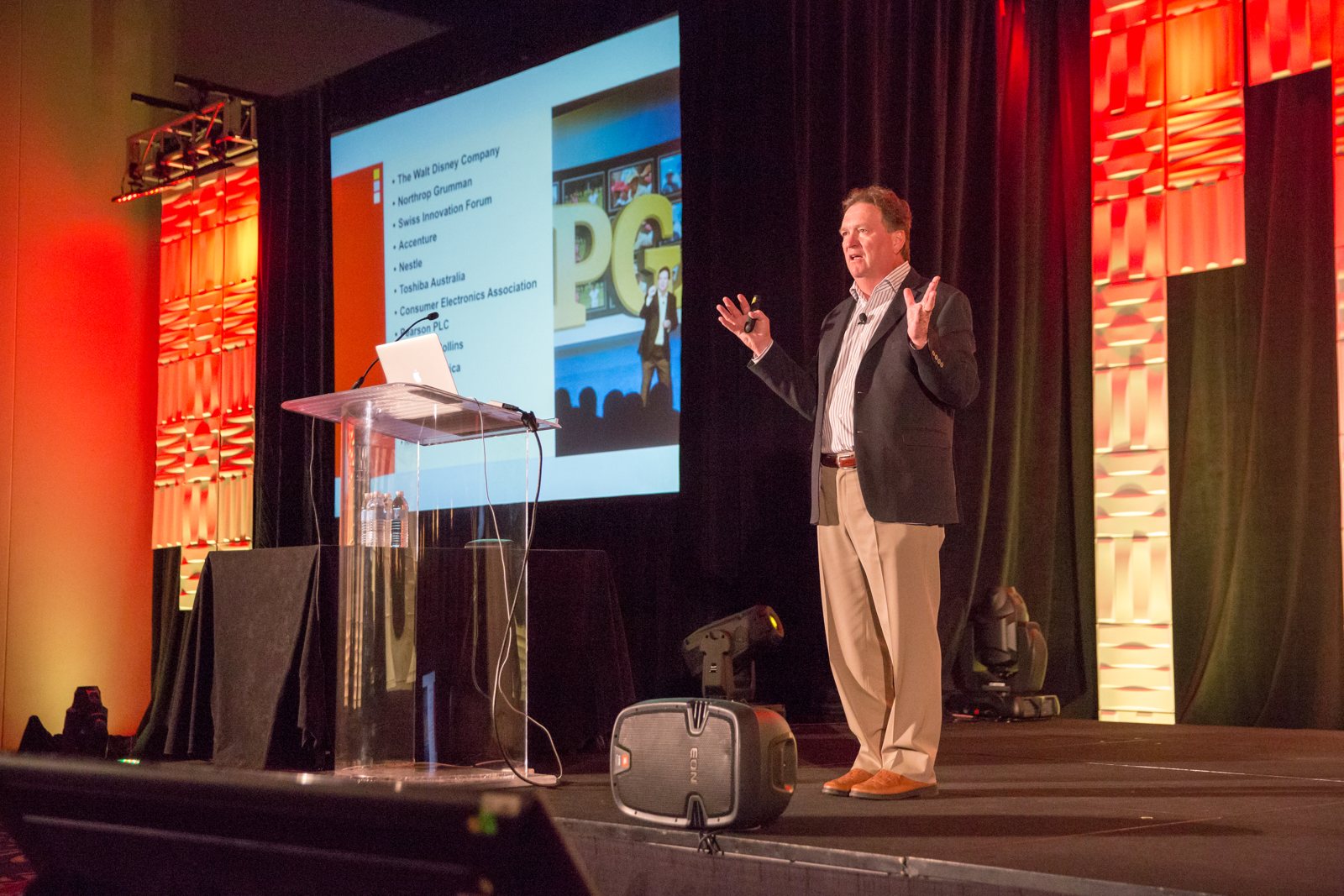
In Stuttgart, I challenged DaimlerChrysler executives to consider what might happen when Silicon Valley became an automotive competitor. In Detroit, I explored changing mobility expectations with Mercedes-Benz. In Birmingham, I spoke to hundreds of Kwik Fit service managers about the reinvention of the workshop. My work has also taken me to the American Truck Dealers (ATD) Show, PPG Automotive, Omnitracs, Volvo/Mack Trucks and the IRU World Congress in Muscat, where the conversation extended to the future of international road transport.
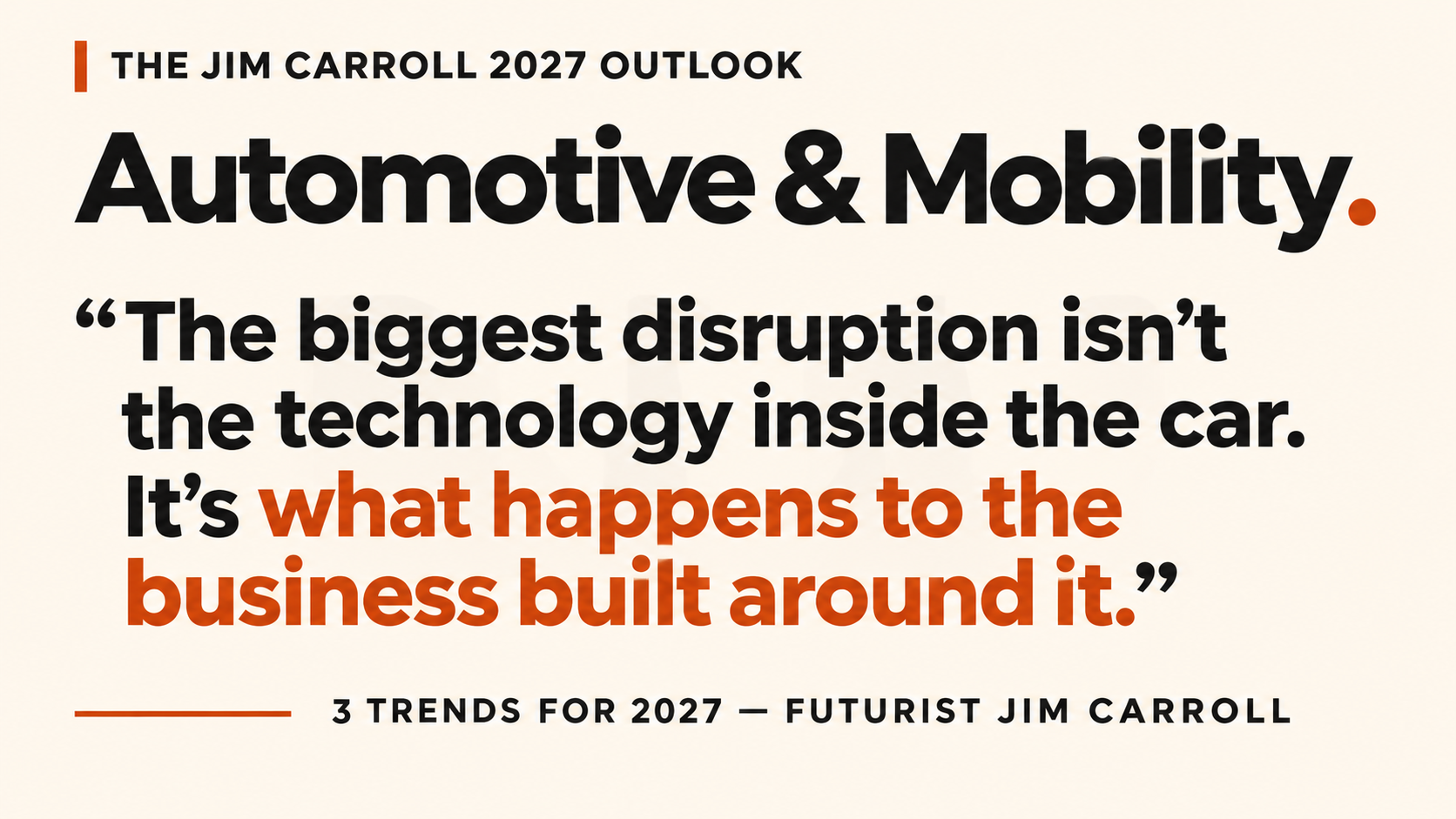
These are different parts of the same industry, but one observation connects them: the biggest disruption isn't necessarily the technology inside the car. It's what happens to the business built around it.
In my Automotive & Transportation Trends Scorecard, I went back through earlier ideas about connected vehicles, autonomy and new mobility models. Some of those developments took longer than anticipated. But the direction of the underlying business transformation is becoming much clearer. Here are three consequences I'm watching for 2027.

1. The extended warranty dies as a product and comes back as a data service.
The extended warranty has traditionally been a fairly simple proposition: buy additional protection for your vehicle, then hope you never need it. But what happens when the vehicle can increasingly tell you that something might go wrong before it actually does?
At a Volvo/Mack Trucks dealer meeting, I explored the idea of selling uptime rather than simply selling a truck. At Omnitracs, I examined how connectivity, fleet intelligence and data were altering transportation economics. At the ATD Show, the implication was equally clear for truck dealers: the physical vehicle was becoming a platform for ongoing services.
That same logic is now moving into consumer-vehicle protection. In a strategic briefing for iA Financial Group – Automotive, I explored how vehicle data, predictive diagnostics and changing technology could reshape the economics of warranty and protection products.
My 2027 forecast isn't that contracts disappear. It's that the most interesting value might shift from paying after failure toward helping customers identify and prevent certain failures. That could mean better vehicle-health information, preventive service recommendations or more useful battery-condition reporting. Traditional financial protection remains important, and vehicle-data access, privacy and the reliability of predictions are serious constraints.
So here's the business question: Could you help a customer avoid a problem, rather than simply pay for it afterward? Before investing in a data platform, identify which vehicle information you can actually access, what permissions are required and which failures can realistically be anticipated.
2. The service bay empties from the outside in.
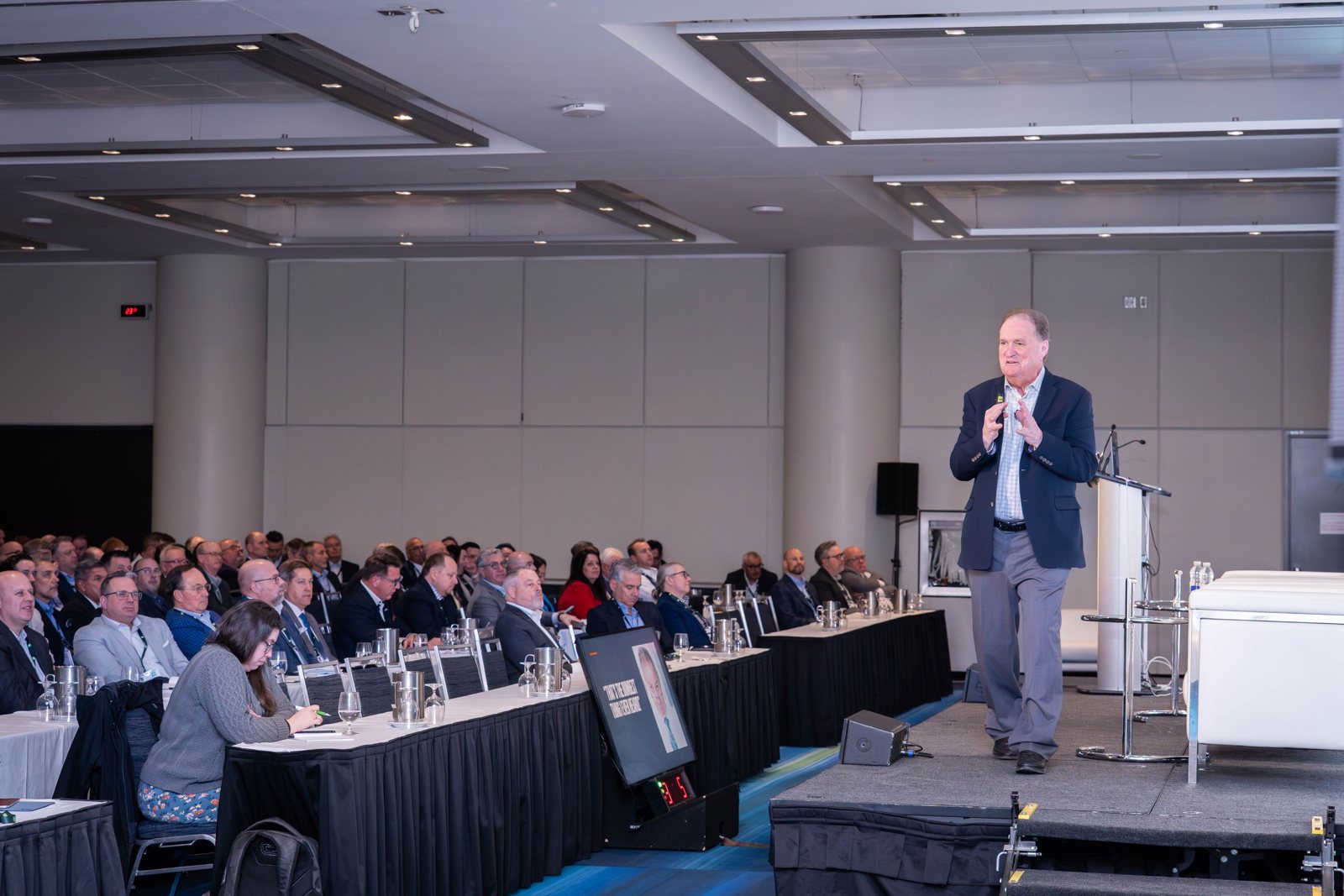
At Kwik Fit in Birmingham, I challenged service managers to think less about which vehicles would enter their workshops and more about which work would still need to happen inside them.
Electric vehicles have different routine maintenance needs from combustion-engine cars. Some software problems can be addressed remotely. Connected diagnostics may reveal faults before a vehicle arrives. Meanwhile, advanced driver-assistance systems, sensors, high-voltage equipment and software-dependent components introduce new technical work.
I've explored related questions with AutoGlass, where a windshield can be part of a complex sensor system, and with Kalmar Ottawa, where the move toward autonomous and electric industrial vehicles raised questions about dealer skills and support. At PPG Automotive, materials innovation offered another reminder that the physical vehicle is changing too—not just its electronics.
The service bay won't literally empty in 2027. Tires, brakes, suspension, collision damage and countless mechanical repairs aren't disappearing. And electric vehicles are not arriving everywhere at the same pace. What changes is the mix of work, and therefore the skills and equipment that make a service business profitable.
A practical question for a dealer or repair operator: Which jobs are declining, which are growing more complex, and which are you already sending elsewhere? Look at your last several months of repair orders, technician training gaps and outsourced diagnostic work. That evidence is a better guide than a sweeping forecast about the end of automotive repair.
3. The most valuable parts of the car are rented.
What if you bought a car but didn't permanently own every feature already built into it?
The software-defined vehicle is making that question less absurd than it once sounded. My early work with DaimlerChrysler in Stuttgart considered a future in which technology companies challenged traditional automakers. At Mercedes-Benz in Detroit, I explored the implications of connectivity and changing mobility models. At the Canadian Automotive Dealers Summit, those questions had become particularly relevant to the dealership relationship.
My work with Trapeze Group and at the IRU World Congress also reinforced the larger point: software and connectivity are changing how mobility is managed, not merely how vehicles are manufactured.
Some manufacturers now offer connected services and selected features through subscriptions, limited-term access or later software activation. This creates possibilities for ongoing revenue after a vehicle is sold—and new questions about feature ownership, resale value, customer trust and who controls the customer relationship.
My 2027 forecast is that the contest for automotive profitability will keep moving beyond the initial sale and into the software, services and relationships that follow. But not every paid feature will succeed. Customers have already resisted some subscription experiments. A recurring charge without recurring value isn't innovation; it's a more sophisticated way to annoy your customer.
So ask: What service would a customer genuinely value month after month? Talk to buyers and dealers before inventing another subscription. Explain what survives a resale, what ends when payment stops and what is genuinely useful rather than merely chargeable.
What should you do now — and into 2027?
The industry faces expensive vehicles, volatile demand, trade uncertainty, changing EV adoption patterns, tight margins and increasingly complex repair needs. That's hardly an argument for placing large speculative bets. But it is a strong argument for getting better prepared.
1. Map the revenue at risk. Identify how much of your business relies on one-time sales, conventional mechanical servicing, warranty transactions and equipment features. Which streams could shift toward services or software—and which are likely to remain durable?
2. Find out what your vehicle data can really do. Inventory the diagnostic and operating information available to you, who owns access, what consent is needed and whether it could improve one specific customer or service decision. Don't buy analytics before establishing that the data is accessible and useful.
3. Audit the workshop you have, not the workshop you imagine. Review repair-order categories, outsourced work, technician capabilities and opportunities for practical training. Ask what one modest skills investment or service partnership could accomplish.
4. Test what customers actually value. Speak with buyers, fleets and service customers about proactive maintenance, subscriptions and ongoing connected services. Ask what they'd pay for—and what they'd resent paying for.
5. Run one small experiment. Improve a vehicle-health communication, trial a diagnostic partnership, investigate a training program or test a clearer explanation of software-enabled features. Put a modest cost limit and a clear learning goal on it, then decide whether to scale, change direction or stop.
I've long encouraged leaders to understand the future, get involved in the future and prepare to take advantage of it. You don't have to buy every new technology to prepare for the business changes it might eventually create.
It's what happens to your industry. And what you do next.
From Stuttgart and Detroit to Birmingham and Muscat, and from vehicle manufacturers and materials companies to trucking software providers and service networks, one lesson has stayed with me: the future of the automobile isn't only about building a better machine.
It's about reinventing the business that surrounds that machine. The warranty becomes a service relationship. The workshop develops different capabilities. And software creates new opportunities—and new responsibilities—long after the vehicle leaves the showroom.
This is the second of my 27 industry outlooks for 2027, published alongside 27 Leadership Strategies for Innovative Thinking in 2027. Both series are at 2027.jimcarroll.com.
It's what happens to your industry. And what you do next.
— Futurist Jim Carroll